what is the best material for a roof
Edit Content

Fill Booking Form

Book Your Service Now

Secure your home and business with a reliable roof—schedule your service today for a no-obligation consultation

Share Post :

Best Materials for Flat Roofs: Top 5 Durable and Cost-Effective Options

Flat roofs come with their own set of challenges, making them both practical and tricky to manage. While they offer unique aesthetic and functional benefits, they are particularly prone to issues like water pooling, increased wear, and maintenance needs. Additionally, the need for proper insulation and the right material becomes even more critical when it comes to handling rain, snow, and UV exposure. So, what is the best material for a flat roof? Choosing the right roofing solution plays a significant role in overcoming these challenges. It’s important to consider factors like durability, energy efficiency, and maintenance. In this guide, we’ll help you understand what are the top roofing materials available for flat roofs and how to select the one that best suits your needs.

When selecting the right roofing material for a flat roof, it’s important to prioritize factors like durability, energy efficiency, and maintenance ease to ensure a long lifespan. A good flat roof material not only shields your home from the elements but also contributes to lowering your energy bills, thus offering long-term cost savings.

This guide will explore the top five flat roofing materials in detail, providing insights on their costs, advantages, challenges, and ideal use cases. By the end of this blog, you will be able to make a well-informed decision about which material is best suited for your flat roof needs.

What Makes a Great Flat Roof Material?

Choosing the right material for a flat roof isn’t just about picking the least expensive option—it’s about balancing cost with durability, maintenance, and energy efficiency. To ensure the best choice for your home, it’s essential to consider these factors. Working with a trusted local roofing company can help guide you through the decision-making process, ensuring that you select a material that meets both your needs and budget. Here are the key factors that make a flat roof material effective:

  • Waterproofing Capabilities: Flat roofs are prone to water pooling, so effective waterproofing is a must. The material should resist water penetration and stand up to moisture over time.

  • Heat Resistance: Materials with high heat resistance can help keep your home cooler by reflecting sunlight and reducing heat absorption. This is particularly important in warmer climates.

  • Eco-Friendliness: As environmental concerns continue to grow, more roofing materials are becoming sustainable and energy-efficient. Materials like TPO and PVC offer great environmental benefits.

  • Ease of Installation: Installation is crucial for ensuring your roof performs optimally. Materials that are easy to install and don’t require complex processes will generally save you money on installation costs.

  • Maintenance Needs: Roofing materials with lower maintenance requirements will reduce long-term costs. Materials like EPDM and TPO often require less upkeep compared to more traditional options like BUR or modified bitumen.

Lastly, it’s always beneficial to work with a trusted local roofing company to ensure that the right material is chosen for your specific needs, be it roof replacement or roof repair.

1. TPO Roofing

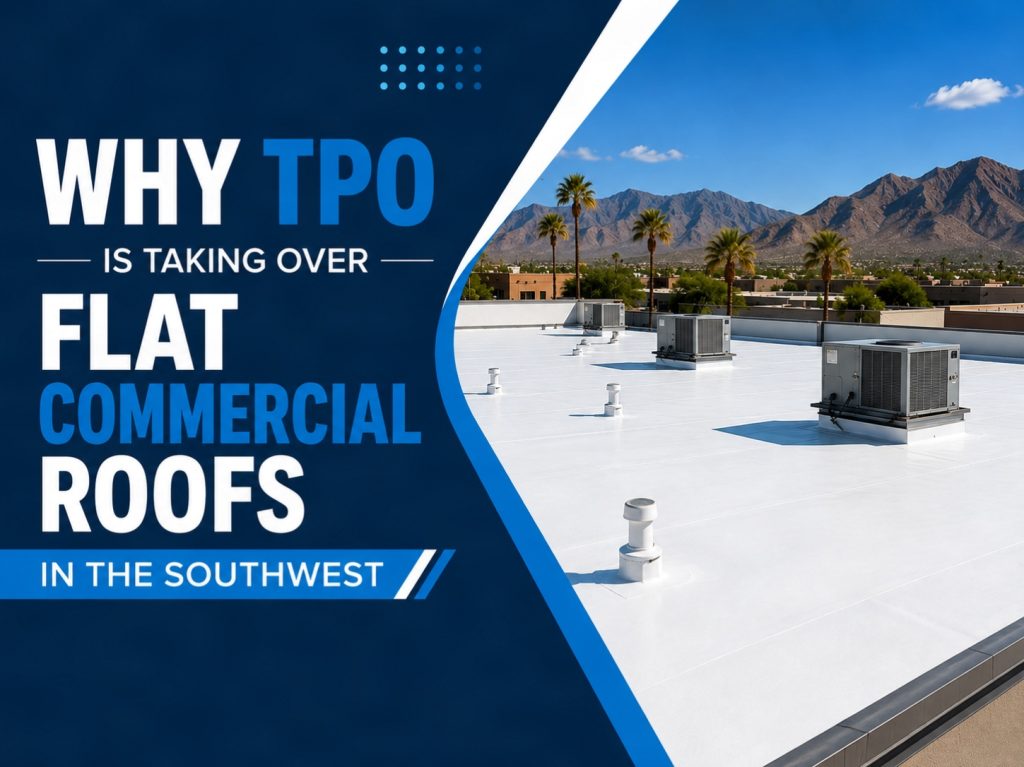
TPO (Thermoplastic Polyolefin) has gained popularity as a budget-friendly, energy-efficient solution for flat roofs. It is made from a blend of polypropylene and ethylene-propylene rubber. TPO is considered one of the best materials for a flat roof due to its reflective properties and long lifespan.

Benefits:

  • Cost-effective: TPO is one of the most affordable roofing options, making it a top choice for homeowners on a budget.
  • Energy-efficient: TPO reflects UV rays, significantly reducing heat absorption. This helps lower cooling costs by keeping indoor temperatures down.
  • Durability: TPO is resistant to punctures and tears, ensuring that it remains intact and functional for years.

Challenges:

  • Vulnerability to Punctures: If installed improperly, TPO can be susceptible to punctures, so professional installation is crucial.

Ideal For:

Homeowners looking for an affordable, energy-efficient roofing material. It’s especially useful for properties in sunny climates that need to combat high temperatures.

2. EPDM Roofing

EPDM (Ethylene Propylene Diene Monomer) is a rubber-based material commonly used for flat roofs. Its primary advantage is its ability to withstand various weather conditions and its ease of maintenance.

Benefits:

  • Weather Resistance: EPDM is known for its extreme weather resistance, making it a great option for areas with fluctuating temperatures.
  • Long lifespan: With proper care, EPDM roofs can last for 30 years or more, offering excellent value over time.
  • Easy to Repair: If damaged, EPDM is simple to repair, requiring minimal expertise.

Challenges:

  • Insulation: While EPDM is great for weather resistance, it does not provide the same insulation benefits as some other materials.

Ideal For:

Homeowners living in areas with extreme temperature changes, such as regions that experience harsh winters and hot summers.

3. Modified Bitumen

Modified bitumen is a multi-layered roofing system that combines asphalt with polymers. This material is an evolution of traditional built-up roofing (BUR) and is known for its outstanding waterproofing properties.

Benefits:

  • Superior Waterproofing: Modified bitumen offers exceptional water resistance due to its multi-ply composition.
  • Durability: It is highly resistant to tears, leaks, and wear, providing a reliable roofing solution.

Challenges:

  • Installation: It requires professional installation due to its layered structure and specific application process.
  • Cost: It tends to be more expensive than single-layer systems like TPO or EPDM.

Ideal For:

Homeowners who value long-term durability and waterproofing, especially for properties in areas prone to heavy rainfall.

4. PVC Roofing

PVC (Polyvinyl Chloride) is a synthetic material that is ideal for flat roofs. It is widely appreciated for its resilience and eco-friendly properties.

Benefits:

  • Chemical Resistance: PVC is highly resistant to chemicals, making it a great option for buildings exposed to harsh substances.
  • Longevity: This material can last up to 25 years, depending on the installation and climate conditions.
  • Energy-efficient: PVC reflects sunlight, reducing heat absorption and improving energy efficiency.

Challenges:

  • Premium Pricing: PVC is one of the more expensive options available, so it might not be suitable for all budgets.

Ideal For:

Environmentally conscious homeowners or those who require a roofing material that can withstand exposure to chemicals or industrial environments.

5. Built-Up Roofing (BUR)

BUR is a traditional roofing material that consists of multiple layers of bitumen (asphalt) and reinforcing fabrics. It’s often used in commercial buildings but can also be an excellent option for residential flat roofs.

Benefits:

  • Excellent Insulation: BUR provides superior thermal insulation, making it an ideal choice for homes in colder climates.
  • Waterproof: The multiple layers make BUR highly effective at keeping water out and providing a watertight seal.

Challenges:

  • Heavy Weight: BUR can be quite heavy, meaning it might require additional structural support.
  • Complex Installation: BUR roofing systems need to be installed by professionals and can be time-consuming.

Ideal For:

Homeowners who prefer a conventional, well-tested option with excellent waterproofing, particularly in colder climates.

Comparison Table

Material Average Lifespan Cost per Square Foot Maintenance Requirement Key Features
TPO 15–20 years $3–$5 Low Energy-efficient, UV-reflective, cost-effective
EPDM 30+ years $4–$6 Moderate Weather-resistant, easy to repair
Modified Bitumen 20–30 years $5–$7 High Multi-layered, great waterproofing
PVC 25 years $6–$9 Low Chemical-resistant, eco-friendly
BUR 20–30 years $4–$7 High Insulation, waterproof, durable

FAqs

What is the best material for a flat roof?

The best material for a flat roof depends on several factors, including climate, budget, and durability requirements. However, TPO, EPDM, and PVC are often considered the best options. TPO is great for those on a budget and seeking energy efficiency, while EPDM offers exceptional weather resistance. PVC is ideal for homeowners looking for a chemical-resistant, eco-friendly option. Each has its own set of advantages depending on your specific needs.

How long does a flat roof typically last?

The lifespan of a flat roof depends on the material used. Here's a general overview: TPO: 15-20 years EPDM: 30+ years Modified Bitumen: 20-30 years PVC: Up to 25 years BUR: 20-30 years

How much does a flat roof replacement cost?

The cost of replacing a flat roof varies depending on the material you choose and the size of your roof. On average, flat roof replacement can range from $3 to $9 per square foot, depending on whether you opt for TPO, EPDM, Modified Bitumen, PVC, or BUR. The installation costs for materials like PVC and BUR can be on the higher end, but they offer durability and long lifespans that can save you money in the long run.

Is EPDM a good choice for flat roofs?

Yes, EPDM is an excellent choice for flat roofs, especially in areas that experience extreme temperature fluctuations. This rubber-based material is highly weather-resistant, durable (lasting up to 30 years), and easy to repair. However, it does not offer as much insulation as some other materials, so it may not be the best choice for regions that require high thermal efficiency.

an I install a flat roof material myself?

While some flat roofing materials (like EPDM) can be DIY-friendly for experienced homeowners, most flat roofing materials require professional installation to ensure optimal performance. Incorrect installation can lead to issues like water pooling, leaks, and reduced lifespan. It's always best to consult a trusted local roofing company to guarantee proper installation and avoid future costly repairs.

Conclusion

Each of the five roofing materials offers distinct advantages. TPO is an affordable and energy-efficient option, while EPDM is best for weather resilience. Modified bitumen provides excellent waterproofing, and PVC is a durable and eco-friendly choice. BUR, though heavier and more complex to install, remains a reliable option with great insulation.

Choosing the best flat roof material ultimately depends on your climate, budget, and long-term maintenance preferences. Consider factors such as lifespan, cost, and energy efficiency to determine which material aligns with your home’s needs.

If you’re unsure, don’t hesitate to contact Altitude Roofing at +1 505-887-7663 for a free flat roof inspection. Our roofing experts will help you select the perfect material based on your home’s unique characteristics and location.

Top Rated Roofing Company In Albuquerque NM With Over 30+ Years of Experience

Head Office Location

8612 Paseo Alameda NE Suite F, Albuquerque, NM, 87113

Work Hours

Monday - Saturday 08 : 00 Am Until 05 : 00 PM

Copyright © 2024 Altitude Roofing NM | All Right Reserved | Powered By Noah Aly