Choosing the right roofing material is one of the most important decisions you’ll make for your property. This is especially true for buildings with low-slope or low-pitch roofs. Unlike steeper roofs that shed water quickly, a low-slope roof requires a specialized system to prevent water from pooling and causing damage. Selecting the correct material isn’t just about aesthetics; it’s about ensuring long-term protection, durability, and peace of mind.
This guide will walk you through the best roofing for low slope roof applications. We’ll explore the top materials, discuss the pros and cons of each, and help you understand why professional installation is key. Whether you’re replacing an old roof or building new construction, making an informed choice now will save you from costly repairs down the road.
Understanding Low-Slope Roofs
First, what exactly is a low-slope roof? A roof is considered low-slope or low-pitch if its slope, or pitch, is less than 3:12. This means for every 12 inches of horizontal run, the roof rises less than 3 inches vertically. While they are often called “flat roofs,” most have a slight incline to encourage at least some water drainage.
The primary challenge with a low-pitch roof is its vulnerability to standing water. Traditional shingles, which rely on gravity to shed water, are not effective in these situations. Water can easily get underneath overlapping shingles, leading to leaks, rot, and structural damage. That’s why these roofs demand waterproof or water-resistant membrane systems that create a continuous, impenetrable surface.
Top Roofing Options for Your Low-Slope Roof
When it comes to low slope roof options, several high-performance materials stand out. Each offers a unique combination of durability, cost, and energy efficiency.
1. Modified Bitumen Roofing
Modified Bitumen is a modern evolution of traditional asphalt roofing. It consists of asphalt combined with rubber or plastic polymers, which is then reinforced with fiberglass or polyester. It’s typically installed in rolls, creating a multi-layered system that is highly resistant to leaks.
- Benefits: This material is known for its excellent tensile strength and durability, making it resistant to tears and punctures from foot traffic or flying debris. It’s also a cost-effective choice and relatively easy for professional roofing companies to install and repair.
- Considerations: Darker colored bitumen can absorb heat, potentially increasing cooling costs. However, “cool roof” versions with reflective surfaces are available to mitigate this.
2. EPDM (Ethylene Propylene Diene Monomer)
Often referred to as rubber roofing, EPDM is a synthetic rubber membrane that has been a popular choice for low-slope roofs for decades. It comes in large, seamless sheets, which reduces the number of seams where leaks could potentially form.
- Benefits: EPDM is exceptionally durable, flexible, and resistant to extreme temperatures, hail, and UV radiation. It can last for 30 years or more with proper maintenance. It’s also lightweight, which reduces stress on the building’s structure.
- Considerations: Black EPDM can absorb heat, although white-coated options are available for better energy efficiency. Punctures can be a concern, but repairs are typically simple for a professional to handle.
3. TPO (Thermoplastic Polyolefin)
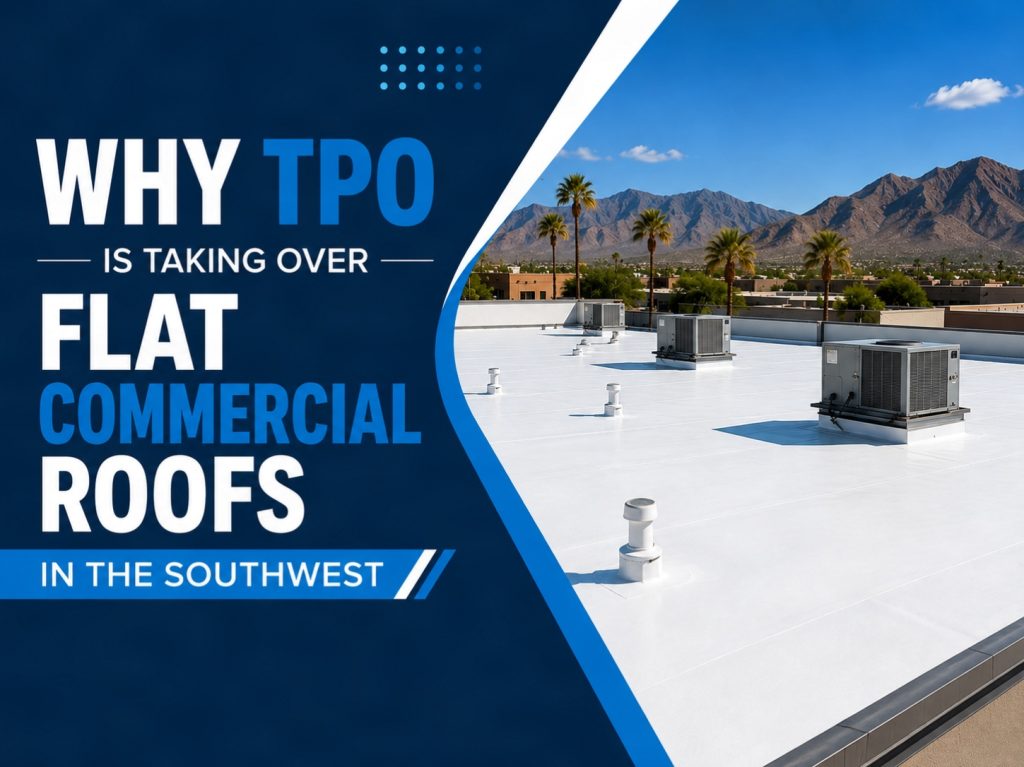
TPO is one of the fastest-growing materials in the commercial roofing market, and it’s an excellent option for residential low-slope roofs as well. This single-ply membrane is made from a blend of polypropylene and ethylene-propylene rubber. The seams are heat-welded together to form a strong, monolithic barrier against moisture.
- Benefits: TPO is highly reflective, earning it cool roof status that can significantly lower your energy bills. It’s also resistant to punctures, mold growth, and chemical exposure. Its flexibility allows it to adapt to a building’s movement without cracking.
- Considerations: As a newer technology compared to EPDM, its long-term performance is still being studied. The quality of installation is critical, as improper heat-welding at the seams can lead to failure.
4. PVC (Polyvinyl Chloride)
PVC roofing is another single-ply membrane known for its exceptional strength and longevity. Like TPO, its seams are heat-welded to create a watertight seal. It has been a trusted choice for low-pitch roof applications for over 50 years, particularly on commercial and industrial buildings.
- Benefits: PVC is highly resistant to fire, chemicals, and strong winds. It is a durable and long-lasting option that stands up well to ponding water. It also features a reflective surface that helps improve a building’s energy efficiency.
- Considerations: PVC roofing is often more expensive than EPDM or TPO. It can also become less flexible in cold temperatures, requiring careful installation by experienced professionals.
What About Shingles for a Low-Slope Roof?
While traditional asphalt shingles are unsuitable, there are specific products designed as the best shingles for low slope roof situations. These are typically used for roofs with a pitch between 2:12 and 4:12.
- Rolled Roofing: This is an oil-based asphalt product that comes in large rolls. It’s installed in overlapping courses, much like shingles, but offers a more water-resistant surface for lower pitches. It’s one of the most affordable options but has a shorter lifespan.
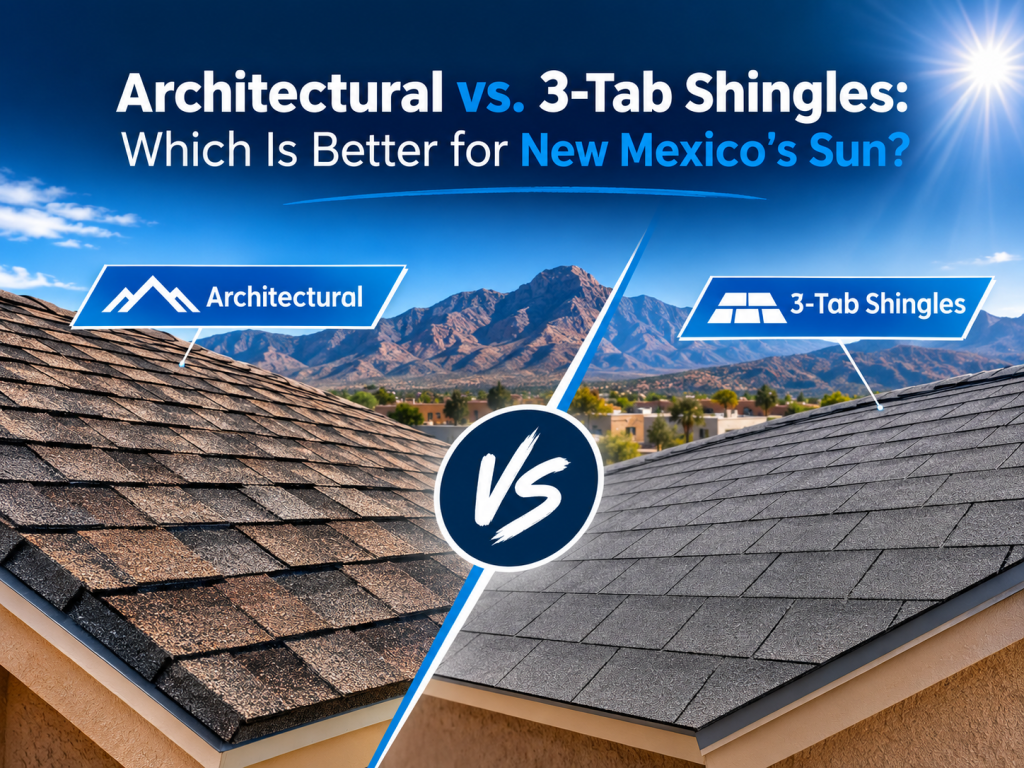
- Architectural Shingles: Some manufacturers produce premium architectural shingles that are approved for low-slope applications when installed with specific underlayment and sealing techniques. This allows homeowners to maintain a consistent shingle look across different roof pitches.
It is crucial to follow the manufacturer’s installation guidelines precisely to ensure the warranty remains valid and the roof performs as expected.
Work with a Trusted Local Roofing Company
Choosing the right material is only half the battle. The performance and lifespan of your roofing for a low pitch roof depend heavily on the quality of the installation. An improperly installed roof, no matter how high-quality the material, will inevitably fail.
This is why partnering with experienced local roofing companies is so important. A professional roofer like Altitude Roofing has the specialized knowledge to:
- Assess your roof and recommend the best material for your specific needs and budget.
- Ensure proper installation, including secure flashing and perfectly welded seams.
- Understand local building codes and climate considerations.
- Provide ongoing maintenance and reliable repairs to maximize your roof’s lifespan.
Don’t risk the integrity of your property with a DIY job or an inexperienced contractor. Investing in a professional installation ensures your roof will protect you for decades to come.