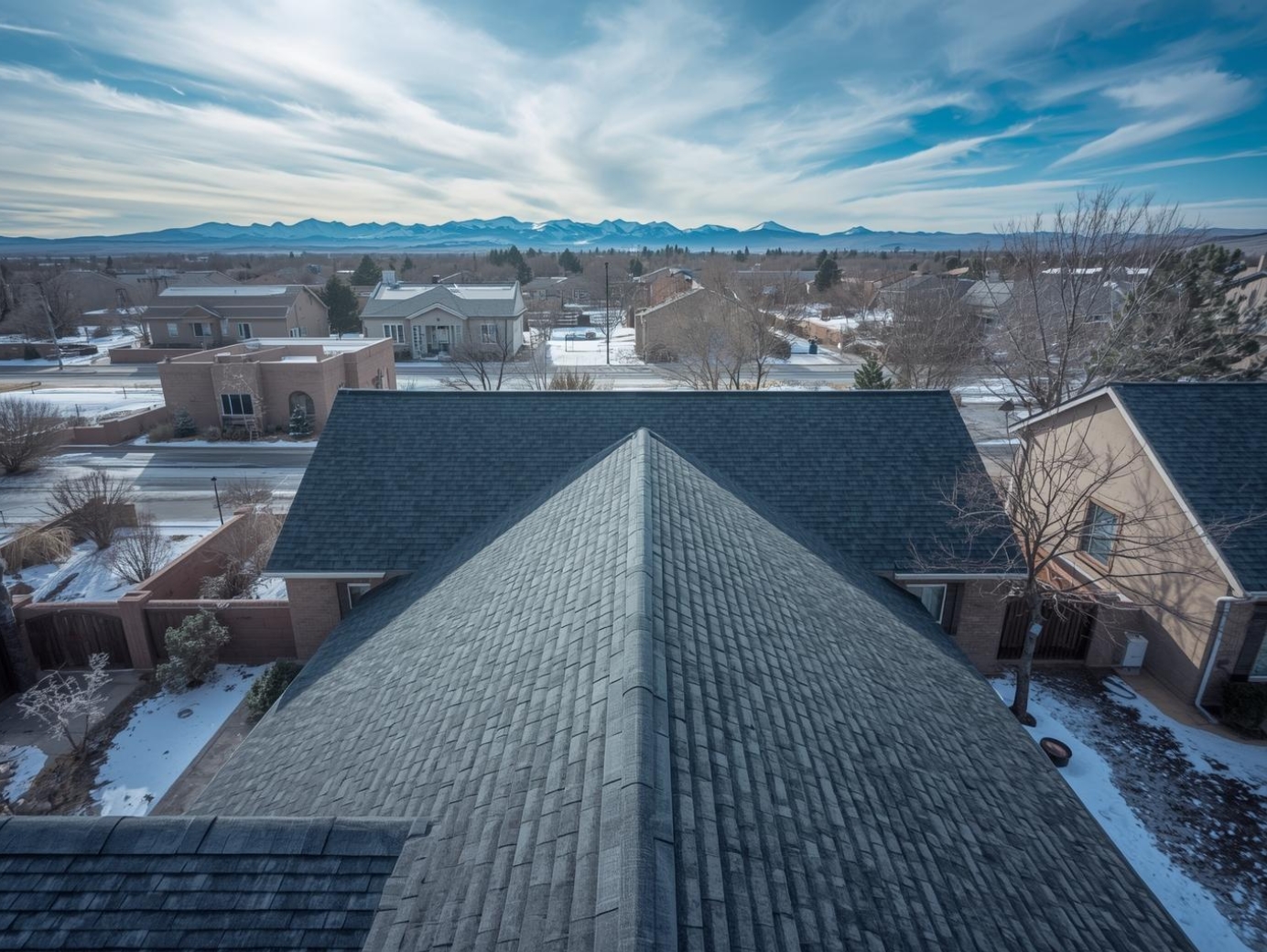
The leaves have fallen, and a distinct chill is in the air. Suddenly, you notice a problem with your roof—a leak, missing shingles, or significant wear and tear. Your first thought might be one of sinking despair, assuming you have to wait until spring to address it. Many homeowners believe roofing is strictly a warm-weather job. But what if waiting isn’t an option?
This leads to a common question: can you replace a roof in winter? The short answer is yes, absolutely. While it presents unique challenges, a winter roof replacement is not only possible but sometimes even advantageous. This guide will walk you through everything you need to know about getting a new roof when the temperatures drop.
Do Roofers Work in the Winter?
Yes, professional roofers are equipped to work year-round. While some companies in colder climates might slow down, many experienced crews adapt their processes to handle winter conditions safely and effectively. They understand that roofing emergencies don’t conveniently wait for sunny weather.
Skilled roofing contractors use specialized techniques and materials designed for lower temperatures. They also take extra safety precautions to manage icy surfaces and challenging weather. So, if you’re wondering if roofers work in the winter, you can rest assured that dedicated professionals are ready to protect your home no matter the season.
The Challenges of Winter Roofing (and How Pros Overcome Them)
Installing a roof in winter requires more than just bundling up. Professionals must navigate specific material and weather-related hurdles to ensure a high-quality, long-lasting installation.
Material Temperature is Key
Asphalt shingles are the most common roofing material, and they become brittle in the cold. Nailing a cold, stiff shingle can cause it to crack or fracture. To prevent this, experienced roofers keep their shingles stored at a proper temperature until they are ready to be installed. They may also opt for shingles specifically designed for cold-weather application.
Sealing the Shingles
Shingles have a thermally activated asphalt sealant strip. In warm weather, the sun’s heat melts this strip, causing it to bond to the shingle below and create a watertight seal. In winter, there might not be enough direct sunlight or warmth to activate this sealant immediately.
Professional roofers overcome this by hand-sealing the shingles with a compatible roofing adhesive. This manual process ensures every shingle is securely bonded, creating the wind and water resistance your roof needs to endure the rest of the winter and beyond.
Worker Safety and Efficiency
Shorter daylight hours and the risks of snow and ice demand a more strategic approach. Roofing crews prioritize safety by:
- Carefully clearing snow and ice from the roof surface.
- Using specialized safety gear to prevent slips and falls.
- Working efficiently during the warmest, brightest parts of the day.
These factors might mean the project takes a bit longer than a summer installation, but a professional team will never cut corners on safety or quality.
Potential Benefits of a Winter Roof Replacement
While there are challenges, scheduling a roof replacement during the off-season can come with surprising advantages. If you have the flexibility, here’s why you might consider it.
Faster Scheduling
Spring and summer are peak seasons for roofing contractors. Homeowners often face long waiting lists to get their projects started. In contrast, winter is typically a slower period. This means you may be able to schedule your replacement much faster, getting your home protected sooner.
Preventing Further Damage
Putting off a necessary roof replacement can lead to bigger problems. A minor leak can turn into major water damage, structural issues, and mold growth over the winter months. Addressing the problem immediately, even in the cold, protects your home’s integrity and saves you from more expensive repairs down the road.
Potential for Better Pricing
Because winter is the off-season, some roofing companies might offer more competitive pricing or special promotions to keep their crews busy. While not a guarantee, it’s worth getting quotes to see if you can get a great deal on your new roof.
So, Can I Get a New Roof in Winter?
Yes, you can. The success of a winter roof replacement hinges almost entirely on the skill and experience of your contractor. An expert crew knows how to handle the materials, manage the worksite, and adapt to the weather to deliver a flawless installation.
Don’t let a roofing issue stress you out just because it’s cold outside. Waiting until spring could expose your home to unnecessary risk. A professional assessment can determine the urgency of your situation and whether a winter installation is the right choice for you.
If your roof has been damaged or is showing its age, the season shouldn’t stop you from securing your home. A reliable, well-installed roof is your primary defense against the elements, and that protection is important all year long.