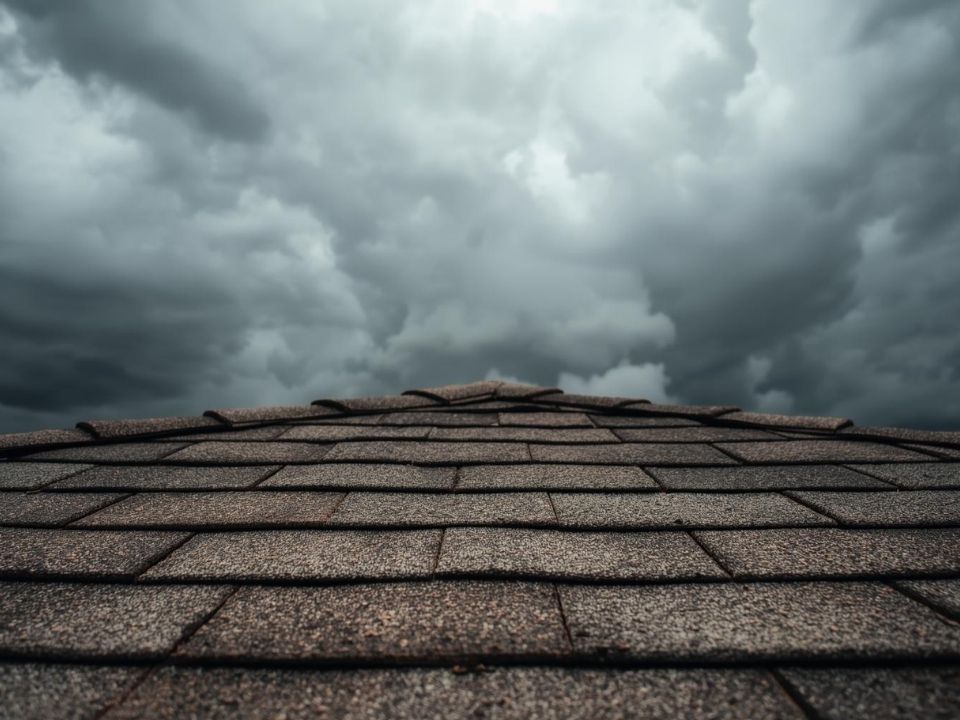
New Mexico’s weather is a story of extremes. One moment, the sun beats down with relentless intensity; the next, powerful winds and monsoonal downpours sweep across the high desert landscape. In 2024 alone, parts of the state saw record-breaking hail and winds exceeding 70 mph. For homeowners, this volatile climate poses a significant threat to one of their most vital assets: their roof. As we look toward 2026, preparing your home for these weather events isn’t just a good idea—it’s an essential strategy for protecting your investment and ensuring your family’s safety.
This guide will walk you through the practical steps to storm-proof your roof, from identifying vulnerabilities to understanding the best roofing materials for our unique environment. We’ll cover proactive maintenance, signs you need a professional inspection, and what to do when a full roof replacement is your best option.
Understanding New Mexico’s Unique Roofing Challenges
The Land of Enchantment presents a specific set of challenges that can compromise a roof’s integrity over time. Ignoring them can lead to costly damage.
- Intense UV Radiation: At our high altitude, the sun’s UV rays are incredibly strong. They break down common roofing materials like asphalt shingles, causing them to become brittle, crack, and lose their protective granules. This premature aging makes them more susceptible to wind and hail damage.
- Monsoon Season: From mid-June to September, our famous monsoon season brings sudden, heavy rainfall. A roof with even minor weaknesses, such as a loose shingle or cracked flashing, can allow significant water intrusion, leading to leaks, attic mold, and structural rot.
- High Winds: Strong winds are a year-round reality, especially during spring and summer storms. These winds can lift and tear off shingles, leaving your roof’s underlayment exposed to the elements. The New Mexico Department of Homeland Security and Emergency Management often issues high-wind warnings, highlighting the real danger to property.
- Hail Storms: Hail can be devastating. Large hailstones can puncture shingles, dent metal roofing, and crack tiles, creating immediate entry points for water. A single severe hailstorm can necessitate a complete roof replacement.
Your Proactive Storm-Proofing Checklist
Preventative action is the most effective way to protect your roof. Instead of waiting for a leak to appear in your living room ceiling, use this checklist to stay ahead of the weather.
1. Conduct Regular Visual Inspections
At least twice a year—once in the spring before monsoon season and once in the fall—take a few minutes to inspect your roof. You can do this safely from the ground with a pair of binoculars.
What to look for:
- Missing or Damaged Shingles: Look for any shingles that are cracked, curled, or have lifted edges.
- Granule Loss: Check your gutters and downspouts for an accumulation of asphalt granules. This is a sign your shingles are aging and losing their protective layer.
- Damaged Flashing: Flashing is the metal stripping around chimneys, vents, and skylights. Ensure it is not rusted, cracked, or pulled away from the roof. This is one of the most common sources of leaks.
- Moss or Algae Growth: Dark streaks can indicate algae, which, while mostly cosmetic, can retain moisture and shorten your roof’s lifespan.
2. Keep Your Gutters Clean
Your gutters are your roof’s drainage system. When they are clogged with leaves, pine needles, and other debris, rainwater has nowhere to go but back up under your shingles. This can cause water to seep into the roof deck and eaves, leading to rot. Clean your gutters at least twice a year to ensure water flows freely away from your home.
3. Trim Overhanging Trees
Overhanging tree branches pose a dual threat. They can scrape against your roof during high winds, wearing away the surface of your shingles. More dangerously, a heavy branch can break during a storm and fall onto your roof, causing significant structural damage. Keep branches trimmed back at least six feet from your roofline.
When to Call a Professional: The Value of a Local Roofer
While DIY inspections are helpful, they can’t replace the trained eye of an expert. A professional inspection is critical for identifying subtle issues that could turn into major problems. This is where finding a reliable local roofer in ABQ, Santa Fe, Rio Rancho, or Bernalillo becomes crucial. A local company understands the specific weather patterns and building codes of our region.
Signs you need an immediate professional inspection:
- Water stains on your ceilings or walls.
- Visible sagging in the roofline.
- Daylight visible through the roof boards in your attic.
- A sudden spike in your energy bills, which could indicate poor attic ventilation or insulation related to roof issues.
At Altitude Roofing, our comprehensive inspections provide a detailed assessment of your roof’s condition, giving you a clear picture of its health and a roadmap for any necessary roof repair.
Roof Repair vs. Roof Replacement: Making the Right Call
After a storm or a professional inspection, you may be faced with a decision: repair or replace?
When Roof Repair is Enough
If the damage is localized and your roof is relatively young (less than 15 years old), targeted repairs are often sufficient. This could include:
- Replacing a few blown-off shingles.
- Securing loose flashing.
- Patching a minor puncture.
Prompt roof repair is key to preventing small issues from escalating. A single missing shingle can expose the underlayment, leading to a leak that costs thousands to fix down the line.
When Roof Replacement is the Smartest Investment
Sometimes, a full roof replacement is the more cost-effective and safer option in the long run. Consider a replacement if:
- Your Roof is Old: An asphalt shingle roof in New Mexico typically lasts 20-25 years. If yours is approaching that age, it’s likely nearing the end of its functional life.
- Damage is Widespread: If more than 30% of your roof is damaged, a replacement is usually more economical than extensive repairs.
- You’re Recovering from Severe Hail: Widespread, significant hail damage often compromises the entire roofing system, even if some spots look fine.
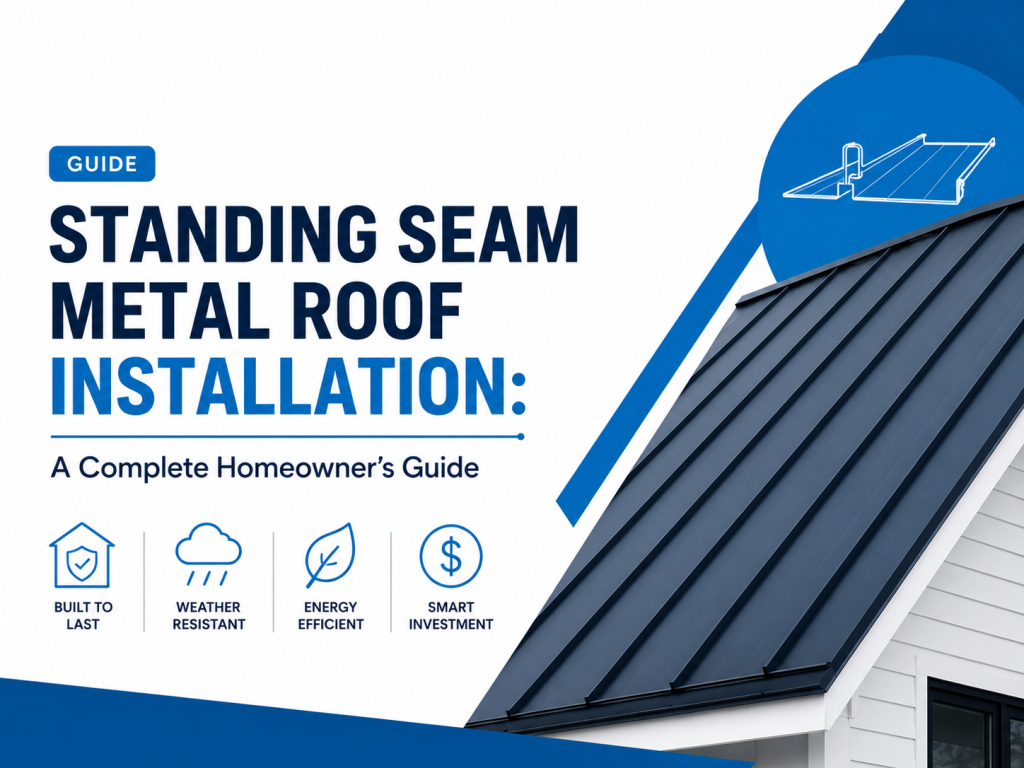
Investing in a new roof allows you to upgrade to more durable, storm-resistant materials that are better suited for New Mexico’s climate, such as impact-resistant shingles or standing seam metal.
Financing Your Peace of Mind
The cost of a major roof repair or replacement can be a concern for many homeowners. A new roof is a significant investment, but it’s one that protects your entire home. The good news is that you have options.
Many reputable roofing companies in New Mexico offer flexible roof financing solutions. These plans allow you to break down the cost into manageable monthly payments, so you don’t have to delay essential work and risk further damage. At Altitude Roofing, we work with you to find a financing plan that fits your budget, ensuring you can secure your home without financial strain.