Chimney Flue Liners: Clay, Alternatives, and What to Look For
Most homeowners have never seen the inside of their chimney, and that is a big reason flue liner problems go unnoticed. The liner is the passage inside the chimney that carries smoke and combustion gases from a fireplace, stove, or furnace out of your home. When it is intact and the right size, you never think about it. When it cracks or doesn't match your appliance, the problems can range from poor draft to heat reaching places it should not.
This guide covers the main types of chimney flue liners, where clay fits, and what usually decides which option makes sense.
What a Flue Liner Does
A liner has three essential jobs:
- Heat containment: It keeps the extreme heat of the fire from reaching the combustible wood framing around the chimney.
- Masonry protection: It shields brick and mortar from the acidic, corrosive byproducts of burning fuel.
- Proper draft: It gives combustion gases a smooth, correctly sized path so your fireplace or stove drafts the way it was designed to.
Temperatures inside a flue can climb rapidly during a wood fire, so a cracked liner is a serious safety concern, not just a cosmetic issue.
Clay Flue Liners for Chimneys
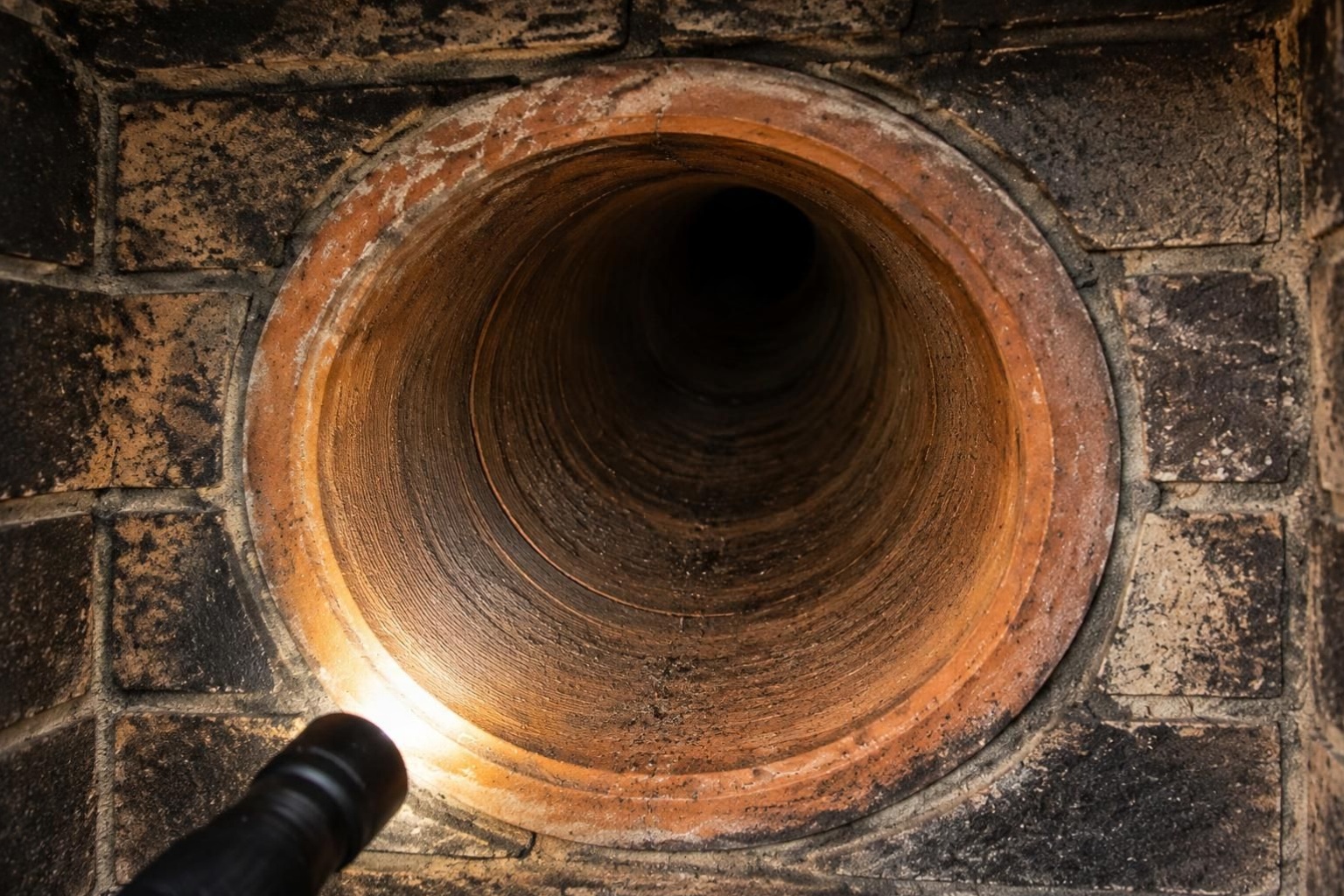
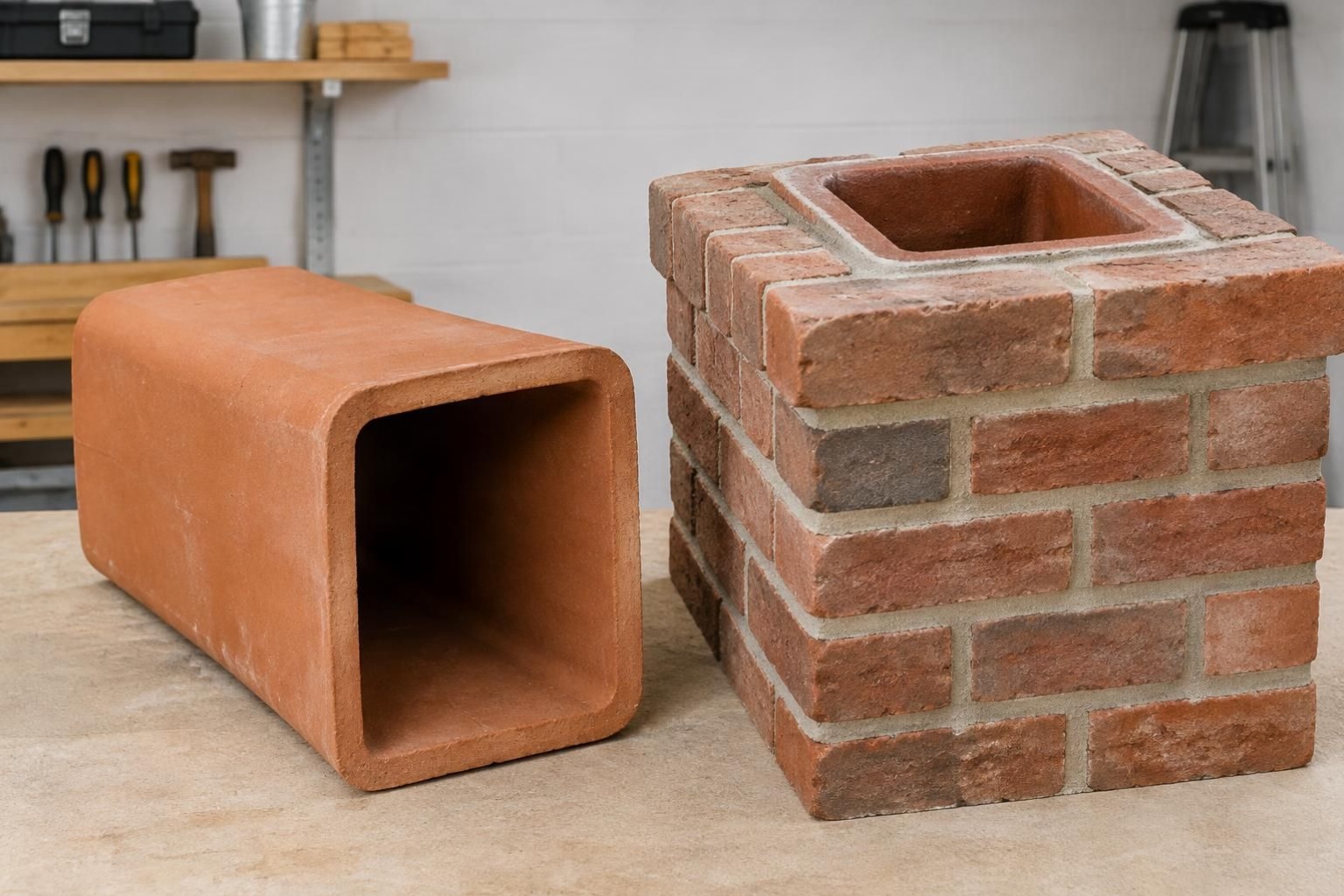
Clay is the traditional choice. A clay liner is made of fired clay tile sections stacked inside the chimney and joined with mortar. You will find them in a large share of older masonry chimneys, and they are still used in new masonry construction. In the US, clay flue liners are covered by an ASTM C315 specification that sets acceptance criteria such as absorption, acid resistance, and freeze-thaw performance before the tiles are installed.
Where clay works well: An intact, properly sized clay liner on a traditional open wood-burning fireplace is a long-used, familiar setup.
Where clay falls short:
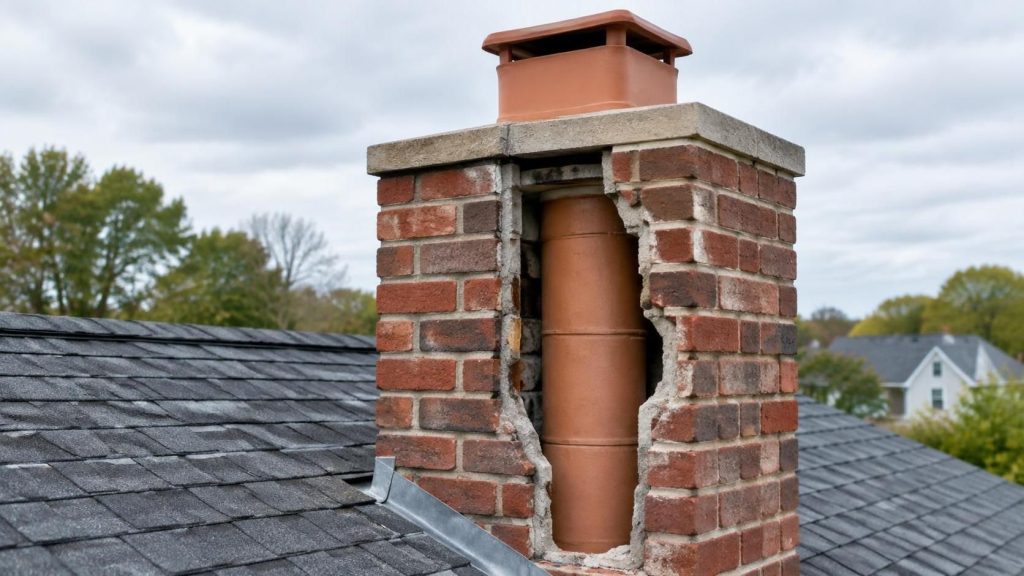
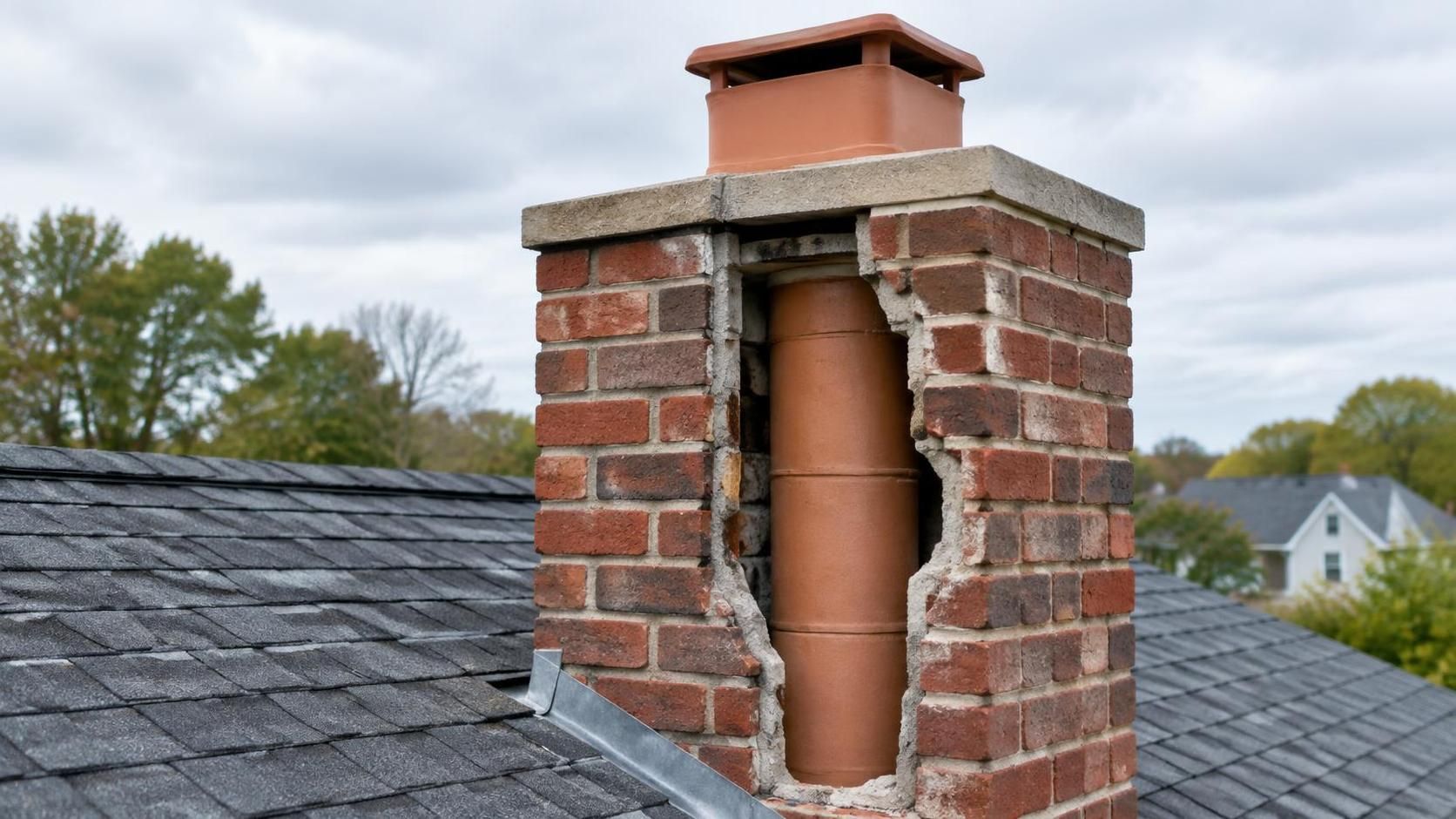
- Clay tile can crack from thermal shock, especially during a chimney fire.
- The mortar joints between tiles erode and wear down over time.
- You usually cannot see these cracks from the fireplace opening. A flashlight look from below often misses them.
- Repairing tile inside an existing chimney is difficult. Replacing a damaged clay liner often means opening the masonry structure, so damaged liners are more commonly relined with metal or a cast-in-place system.
The Main Alternatives to Clay Liners
Stainless Steel Liners
These are rigid sections or flexible metal tubing fed down from the top of the chimney and connected directly to the appliance. They are a common choice when a clay liner has failed, or when a homeowner installs a fireplace insert, wood stove, or new gas appliance. The steel grade and product listing must match the fuel you burn and follow the appliance manufacturer's instructions.
Cast-in-Place Liners
A specialized cement-like material is poured or pumped around an inflatable form inside the chimney, creating a seamless liner. This approach is frequently used in older masonry restoration projects because it can add structural strength to an aging chimney. Proper sizing matters here too, as a liner that is too tight can restrict airflow.
What Decides Which Liner Is Right
There is no single best answer for every home. These are the primary factors that drive the choice:
- The appliance and fuel: Gas appliances produce cooler, moister exhaust than wood fires. In an oversized clay flue, that exhaust can condense and cause moisture problems.
- Flue size: The liner must match the fireplace opening or appliance exhaust collar. A chimney professional measures this ratio before recommending a size.
- Condition of the existing chimney: Cracked tile, failed mortar joints, or a deteriorated brick structure all change the options.
- Chimney layout: Internal offsets and bends affect whether a rigid metal liner is practical or if flexible tubing is required.
- Local code and permits: Requirements vary by city and county, and some areas require an inspection report or permit before relining or adding an insert.
Signs Your Liner May Need Attention
Watch for these common warning signs around your hearth and roofline:
- Pieces or shards of clay tile falling into the firebox
- Water stains on the ceiling or drywall near the chimney chase
- A persistent musty or damp smell from the fireplace
- Crumbling mortar or spalling brick on the outside of the chimney
- Any history of a recent chimney fire
- Plans to add a wood stove or gas insert, switch fuel types, or purchase a home with an existing chimney
For home purchases or appliance changes, the Chimney Safety Institute of America (CSIA) recommends a Level 2 inspection whenever the system's condition cannot be verified by a basic visual look. Based on the NFPA 211 standard, a Level 2 inspection includes a visual inspection of accessible areas as well as the interior surfaces of the flue liner using video scanning or another equivalent viewing method, which is how hidden cracks get found.
Where the Roof Comes Into It
Water is one of the quieter enemies of chimney flues and liners. Rain or snowmelt that gets past a cracked chimney crown, a missing rain cap, or worn step flashing can soak down into the tile joints. When moisture freezes inside those joints overnight, it expands and widens cracks.
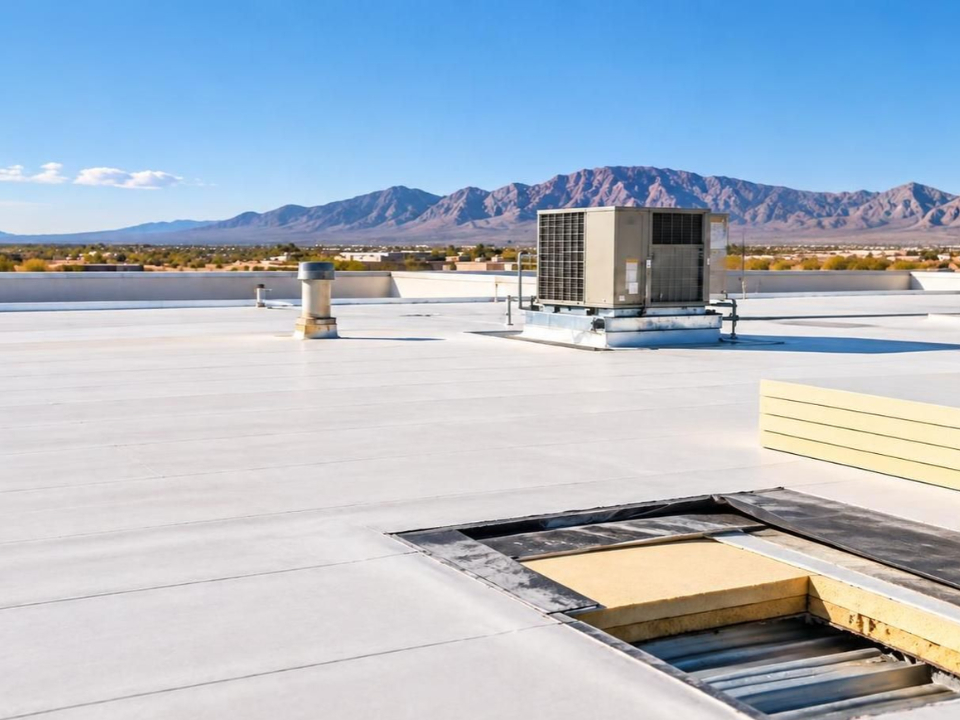
Albuquerque sees freezing winter nights alongside intense summer monsoon rain, so the top of the chimney takes a beating from both extremes. That makes the roof transition around the chimney part of the same picture. A small leak where the chimney meets your shingles or flat roof membrane is typically a targeted roof repair job, and fixing it early prevents water from saturating the masonry below.
5 Questions to Ask a Chimney Professional
- Did you inspect the full length of the flue with a camera, and can I see the footage? Footage shows what the inspector is actually seeing.
- Is the existing liner cracked, the wrong size for my appliance, or both? Understanding the root cause clarifies whether repair or relining is needed.
- What liner material do you recommend for my fuel and appliance, and why? Make sure the material listing matches your exact setup.
- Does the work need a permit, and who handles it? Reputable pros follow local building codes and pull required permits.
- What does the warranty cover, in writing? Get coverage details for both materials and workmanship before work begins.
Frequently Asked Questions
How can I tell if my chimney flue liner is cracked?
Often you cannot see cracks from the fireplace opening, which is why damage goes unnoticed for years. Warning signs include pieces of clay tile in the firebox, water stains near the chimney, a damp or musty smell, and crumbling exterior mortar. The most reliable way to check is a full-length video camera inspection by a qualified chimney professional.
Can a cracked clay flue liner be repaired?
Repairing individual clay tiles inside an existing chimney is rarely practical because technicians cannot easily reach the damaged section. In practice, a cracked clay liner is usually relined with stainless steel or a cast-in-place system rather than patched. A chimney professional can recommend the right fit after reviewing the camera footage.
Do I need a new liner if I'm adding a wood stove or gas insert?
Not always, but it is very common. Stoves and inserts typically require a liner sized and listed specifically for that appliance, and an older clay liner may be oversized or cracked. Check the appliance manufacturer's installation instructions and have the chimney inspected before you buy.
How long do chimney clay flue liners last?
There is no single guaranteed lifespan. Longevity depends on how often the fireplace is burned, whether the chimney has had a flue fire, and how much moisture penetrates the mortar joints. A liner that looks fine from below can still be cracked higher up, so verified condition matters more than age.
What is a Level 2 chimney inspection, and when do I need one?
A Level 2 inspection includes a visual inspection of accessible areas and the flue's interior surfaces using video scanning or another equivalent viewing method. Whether it applies depends on the circumstances and relevant local requirements. Ask a qualified chimney professional what scope is recommended for your situation.
A Sensible Next Step
If you have not had your chimney inspected in years, or you are planning to install a new stove or insert, start with a Level 2 inspection from a qualified chimney professional. Knowing the exact condition of your flue protects your home and ensures you only invest in repairs you genuinely need.
If you would also like the roof and flashing around your chimney checked, Altitude Roofing offers free roof inspections across Albuquerque and New Mexico, including emergency roofing after storm damage.
Need the roof and flashing around your chimney checked?
Request a Free Roof Inspection