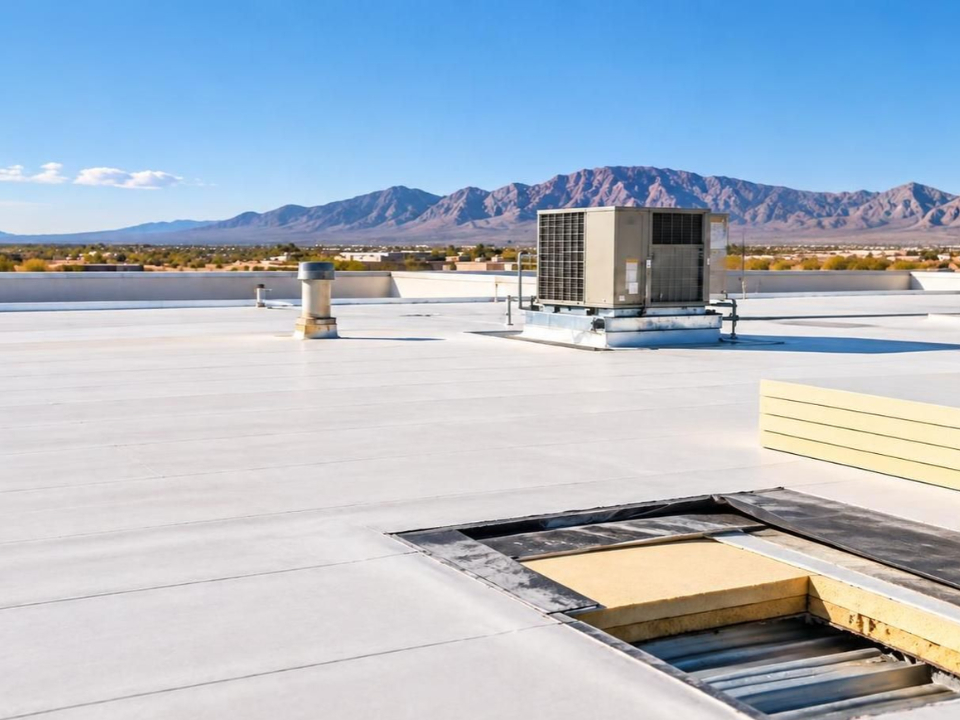
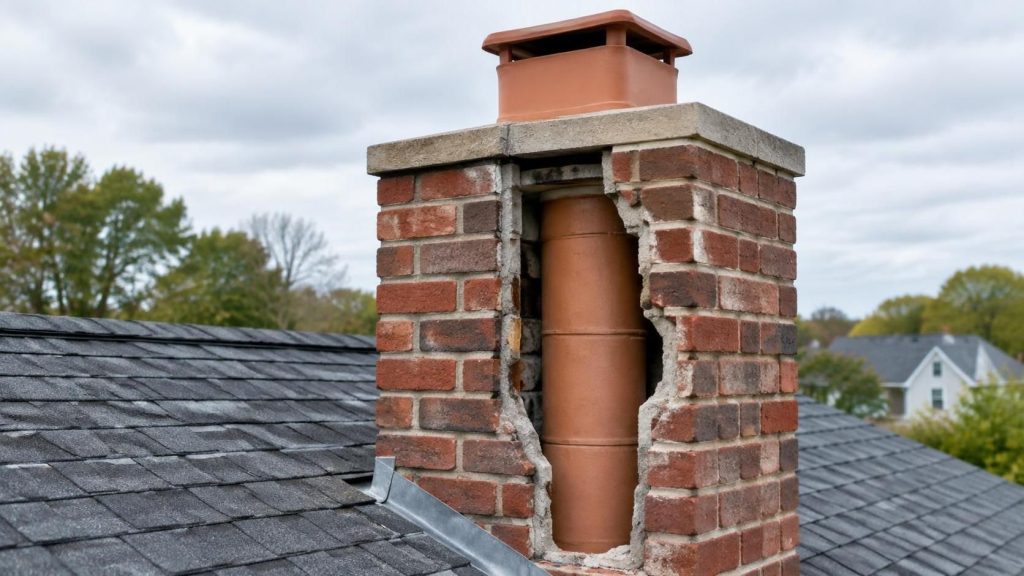
If you own a flat or low slope commercial building in Albuquerque, you’ve probably heard a roofer say we’ll see what’s under there once the old system comes off. That moment is where a lot of budgets fall apart. At Altitude Roofing NM, we have torn off plenty of commercial roofs across Albuquerque and around New Mexico, and the surprises almost always have the same root: the insulation. Here is what we look for, why code matters, and how to plan so your project doesn’t turn into a change order nightmare.
Why insulation is the part nobody budgets for
Most building owners think about the membrane. It’s the part you can see, the part with the warranty, and the part with the brand name on the box. The insulation sits underneath, out of sight, and it is usually the thing that determines how much your project actually costs.
Commercial roofs in New Mexico deal with a lot. Strong UV exposure, big temperature swings between day and night, and the occasional hailstorm all take a toll. Over 15 to 25 years, the insulation can get wet, compressed, or simply worn out. Water that gets into insulation doesn’t just sit there. It spreads, it adds weight, and it rots the deck underneath. When we tear off an old roof and find soaked foam or a sagging deck, that’s a cost that wasn’t in the original quote.
What the insulation code actually asks for
Energy codes for commercial buildings are based on the International Energy Conservation Code (IECC), but the specific edition and local amendments vary. Albuquerque, Bernalillo County, and other New Mexico jurisdictions may enforce different versions, so the first thing we do on any job is confirm with the local building department which code applies to your permit.
In general, when you replace a roof, the code cares about two things:
- The R value of the insulation that goes back in. The required R value depends on your climate zone and building type, so the number on your old system doesn’t automatically carry forward.
- Whether the upgrade is triggered. In many cases, replacing a roof means the insulation has to meet current code, even if the old insulation was fine when it went in. That catches owners off guard.
We also check for tapered insulation and crickets. Tapered boards slope the roof toward drains so water doesn’t pond. If your current roof has standing water in low spots, the new system needs to fix that, and that usually means adding material that wasn’t there before.
How hidden tear off costs add up
Here is a simple example. Say you have a 12,000 square foot roof and the quote assumes the existing insulation stays in place. Once the membrane is removed, the crew finds 15 percent of the board is wet and crumbling. Replacing that section, adding tapered layers for drainage, and bringing the R value up to current code can add thousands of dollars in material and labor. None of that is wrong or unusual. It’s just the reality of an older roof, and it’s the reason we walk every roof before we finalize a price.
Good contractors will tell you what they expect to find and what it could cost if they’re wrong. Ask for a contingency line in the proposal, and ask how unit prices for replacement insulation are calculated. You want to know the number before the crew is on the roof, not after.
How to avoid surprises on your project
Start with a proper inspection. Core cuts or moisture scans can show you what is happening under the surface before you commit to a scope. This is worth paying for on an older building.
Second, get your permit questions answered early. Call your local building department, describe the scope, and ask which insulation requirements apply. Your roofer should be willing to do this with you.
Third, plan for the system you actually want. If you’re already replacing the roof, it often makes sense to upgrade the insulation at the same time, because the labor is already on site. For most commercial owners in New Mexico, the cost of doing it right the first time is lower than paying for a second mobilization later.
If you’re weighing membrane options, our team can walk you through them. A TPO roofing system works well for many flat commercial roofs with heavy sun exposure, while a metal roof can be a strong choice for buildings that need long term durability and a different look. The right answer depends on your building, your budget, and how long you plan to keep it.