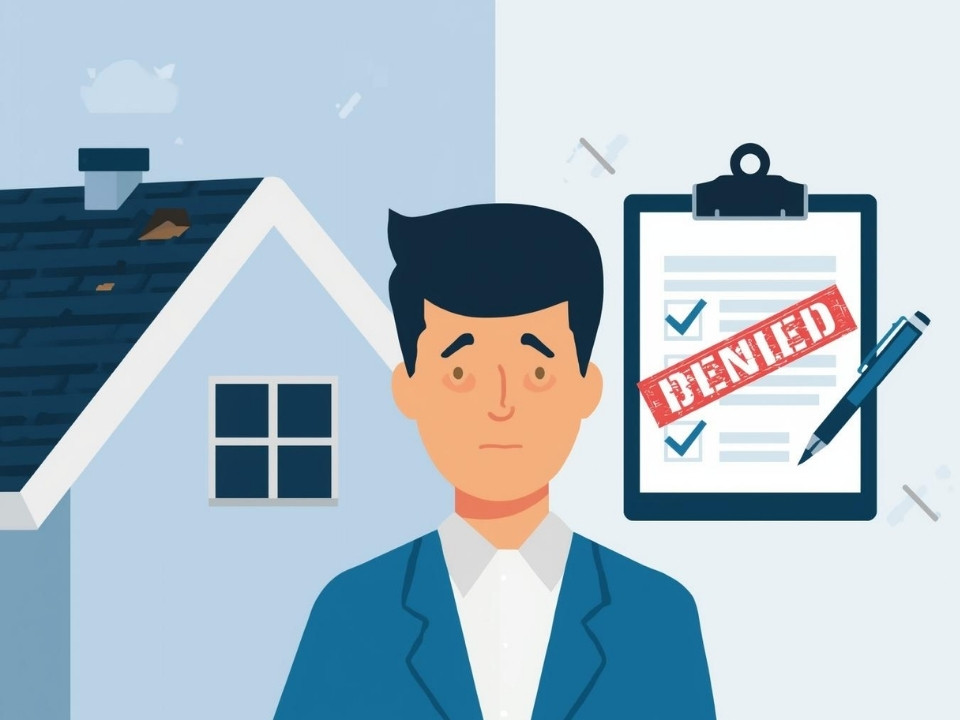
There are few things more frustrating for a homeowner than staring up at water stains on the ceiling, knowing your roof is damaged, and then receiving a rejection letter from your insurance company. You pay your premiums dutifully every month, expecting that when disaster strikes—whether it’s hail, wind, or a fallen tree—your provider will have your back.
When a claim is denied, it can feel like a personal affront. It leaves you with a damaged home and the looming financial burden of repairs. However, a denial letter isn’t always the final word. Many claims are rejected due to technicalities, lack of evidence, or simple misunderstandings that can be rectified.
Understanding why roof claims get rejected is the first step toward overturning the decision. By learning how to navigate the appeals process and knowing exactly what to do if the insurance company denies your roof claim, you can turn a rejection into an approval and get your home back in shape.
Common Mistakes Leading to Denials
Insurance adjusters are trained to scrutinise every detail. If there is a reason to deny a claim or reduce the payout, they will find it. Often, homeowners inadvertently hurt their own cases by making avoidable mistakes during the initial filing process.
Improper Documentation and Insufficient Evidence
The burden of proof lies with the homeowner. Simply stating that a storm caused damage isn’t enough; you must prove it. A common reason for denial is a lack of “before and after” context. If you cannot provide clear photos of the damage, or if the photos are blurry and taken from the ground, the adjuster may claim the damage is pre-existing or due to wear and tear rather than a specific event.
Misunderstanding Policy Exclusions and Limitations
Not all roofs are covered equally, and not all perils are included in every policy. Many homeowners assume their policy covers everything, only to find out that their specific type of roof (e.g., slate or wood shake) has specific exclusions, or that their policy has a separate, higher deductible for wind and hail damage. Additionally, some policies have “cosmetic exclusions, meaning if hail dents your metal roof but doesn’t cause leaks or functional failure, the carrier won’t pay to replace it.
Failure to Report Damage Promptly
Most insurance policies have a strict timeline for reporting claims. This is usually defined as “promptly” or within a specific number of days from the date of loss. If a hailstorm hits in April, but you wait until October to file a claim because you didn’t notice the damage immediately, the insurance company may deny it. They can argue that the delay allowed the damage to worsen or made it impossible to determine the true cause of loss.
Inadequate Communication
Saying the wrong thing to an adjuster can be detrimental. For example, using phrases like I think the roof was old anyway or We’ve had leaks for years” gives the insurer ammunition to deny the claim based on maintenance neglect. Inadequate communication also involves failing to follow up or missing deadlines for submitting requested paperwork.
Steps to Take After a Denial
If you receive a rejection letter, take a deep breath. It is not necessarily the end of the road. Here is what to do if your insurance denied your roof claim.
Review Your Insurance Policy Carefully
Dust off your policy documents and read the Declarations Page and the fine print regarding exclusions. You need to understand the specific reason cited for the denial and compare it against what your policy actually says. If the letter says “wear and tear,” but your policy covers accidental direct physical loss, you may have grounds to argue that a recent storm was the primary cause of failure, regardless of the roof’s age.
Gather Additional Evidence
If the denial was based on insufficient proof, go back to the source. Look for photos of your home prior to the damage (even background details in family photos can help). Search for local weather reports from the date of the incident to prove storm severity. If you have receipts for previous roof repairs or maintenance, find them. These documents prove you have been a responsible homeowner and that the damage is new.
Get a Second Opinion
Insurance adjusters work for the insurance company, not you. Their assessment is subjective. You have the right to hire an independent professional to inspect the roof. A qualified roofing contractor can identify storm damage that an adjuster might have missed or miscategorised. They can distinguish between blistering (wear and tear) and “bruising” (hail damage) and provide a technical report to support your case.
File an Appeal
Once you have your evidence and a contractor’s report, file a formal appeal. This is the official process of asking the insurance company to review its decision. Write a clear, concise letter explaining why the denial was incorrect, attach your new evidence (photos, weather reports, contractor statements), and send it via certified mail so you have proof of receipt.
Seek Legal Assistance
If the insurance company acts in bad faith—meaning they are unreasonably denying a valid claim, delaying payment without cause, or misrepresenting policy language—you may need legal help. An attorney specialising in property insurance or a public adjuster can step in to negotiate on your behalf.
Avoiding Future Claim Denials
While you can’t control the weather, you can control how prepared you are for it. Taking proactive steps now can make future claims much smoother.
Regular Roof Maintenance and Inspections
Neglect is the number one enemy of a successful claim. Keep your gutters clean, trim overhanging tree branches, and replace missing shingles immediately. Schedule a professional roof inspection every year or two. These inspection reports serve as a baseline, proving the roof was in good condition before a storm hit.
Understanding Your Insurance Coverage
Don’t wait for a disaster to learn what your policy covers. Schedule an annual review with your agent. Ask specific questions: Do I have Actual Cash Value (ACV) or Replacement Cost Value (RCV) coverage? Is there a separate deductible for wind and hail? Are there exclusions for my specific roofing material?
Documenting Damage Thoroughly
If a storm hits, document everything immediately. Take photos of hailstones next to a ruler to show size. Photograph fallen branches, dented gutters, and torn shingles. Create a digital folder of this evidence so it is ready to go the moment you file.
Working with Reputable Contractors
Build a relationship with a local, trusted roofer before you need one. A reputable contractor will be familiar with the insurance process and can meet the adjuster at your property to advocate for you during the inspection.