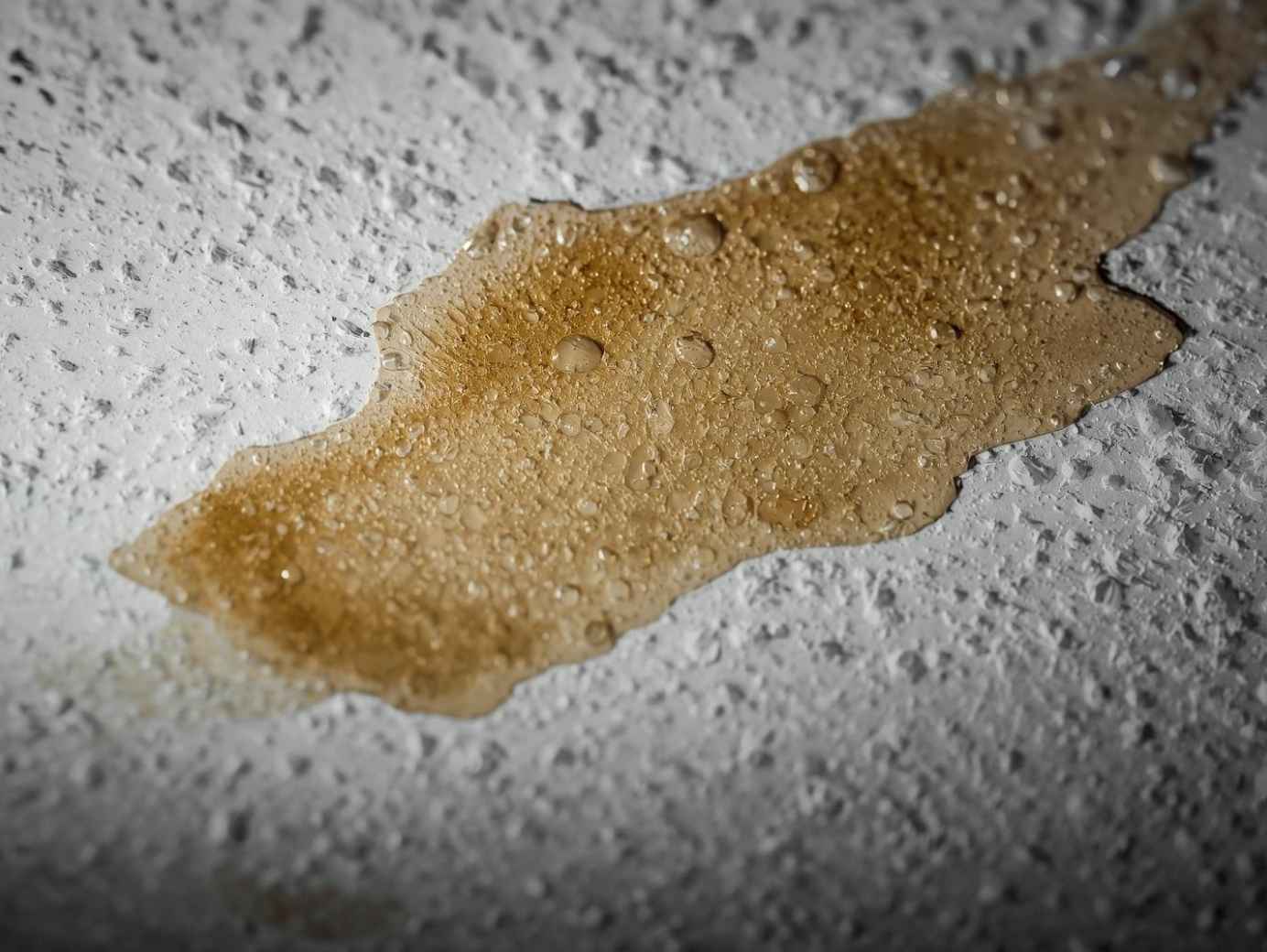
The beauty of a fresh blanket of snow can quickly fade when you notice a dark, damp spot spreading across your ceiling. A roof leaking in winter is a frustrating and potentially damaging problem for any homeowner. Unlike a simple rain leak, a roof leak from snow often involves more complex issues that require specific attention. Understanding the causes is the first step toward preventing costly repairs and keeping your home dry and safe all season long.
At Altitude Roofing, we know that your home’s integrity starts at the top. This guide will walk you through why you might have a roof leak when it snows, what you can do to stop it, and what to expect when it comes to insurance.
What Causes a Roof to Leak from Snow?
A winter roof leak isn’t always as simple as a hole in your shingles. The unique conditions of cold weather, snow, and ice create specific problems that can compromise even a sturdy roof.
The Main Culprit: Ice Dams
The most common cause of a roof leak from snow is an ice dam. This phenomenon occurs when heat from your home escapes through the attic, melting the snow on the roof. The melted water then runs down to the colder eaves and gutters, where it refreezes into a thick ridge of ice.
As more snow melts, the water has nowhere to go. It pools behind this dam of ice, seeping underneath your shingles and eventually into your attic and home. An ice dam can cause significant water damage to your roof decking, insulation, drywall, and interior paint.
Other Contributing Factors
While ice dams are a primary concern, other issues can lead to a roof leaking in winter:
- Attic Condensation: Poor attic ventilation can trap warm, moist air. When this air hits the cold underside of your roof decking, it condenses into water droplets. Over time, this moisture can saturate the wood and insulation, mimicking the appearance of a leak.
- Damaged or Old Shingles: Winter weather is tough on roofing materials. Shingles that are already cracked, curled, or missing are easy entry points for water from melting snow and ice.
- Cracked Flashing: The metal seals around vents, chimneys, and skylights (known as flashing) can contract and expand with temperature changes. This can lead to cracks or gaps that allow water to penetrate the roof system.
- Heavy Snow Load: While less common, an exceptionally heavy accumulation of snow can put immense stress on your roof’s structure, potentially causing damage that leads to leaks.
How to Prevent and Stop Winter Roof Leaks
Being proactive is the best way to avoid the headache of a winter leak. Here are actionable steps you can take before and during the snowy season.
Pre-Winter Roof Maintenance
- Clean Your Gutters: Before the first snowfall, make sure your gutters and downspouts are completely clear of leaves and debris. Clogged gutters are a primary ingredient for forming ice dams.
- Inspect Your Roof: A professional roof inspection can identify potential problems like damaged shingles, worn-out flashing, and failing sealant. Getting these issues fixed in the fall can save you from emergency repairs in freezing temperatures.
- Improve Attic Insulation and Ventilation: The key to preventing ice dams is a cool roof. Ensure your attic floor is well-insulated to keep warm air from rising. At the same time, proper ventilation (through soffit and ridge vents) allows that cold air to circulate, keeping the roof deck at a consistent temperature.
During the Winter
If you already have snow on your roof, you can still take action.
- Use a Roof Rake: A long-handled roof rake allows you to safely pull snow off the first few feet of your roof’s edge. Removing this snow prevents meltwater from reaching the eaves and forming an ice dam.
- Address Ice Dams Carefully: If an ice dam has already formed, avoid using a chisel or salt to break it up, as this can damage your shingles and gutters. The safest method is to hire a professional who can use steam to safely melt channels in the ice, allowing trapped water to drain away.
Does Insurance Cover Roof Leaks from Snow?
This is a critical question for many homeowners. The answer usually depends on the cause of the leak.
Generally, most standard homeowners’ insurance policies cover damage that is sudden and accidental. A leak caused by the weight of snow or a storm-damaged tree limb falling on your roof would likely be covered. Similarly, water damage from an ice dam is often covered.
However, insurance policies typically do not cover damage resulting from poor maintenance or normal wear and tear. If the leak is due to old, failing shingles or a pre-existing issue you neglected to fix, your claim may be denied.
It’s always best to review your specific policy and speak with your insurance agent to understand what is and isn’t covered. Document everything with photos and keep records of any professional inspections or repairs you’ve had done.