Hearing the sound of water dripping inside your fireplace is an alarming experience for any homeowner. A chimney leaking can quickly turn from a minor annoyance into a major structural problem. Moisture intrusion damages drywall, rots wooden framing, and promotes dangerous mold growth inside your attic and living spaces.
Addressing a chimney water leak promptly is crucial to preventing expensive repairs down the line. Water can quietly degrade your home’s structural integrity for months before showing obvious signs inside the house. If you are dealing with moisture issues, the experts at Altitude Roofing are here to help you identify the source and implement a permanent solution. This post covers the common causes of chimney moisture, the early warning signs you need to look out for, and the exact steps you should take next.
Short Answer: Why is my chimney leaking water?
A chimney leaking water is typically caused by a damaged or missing chimney cap, cracked mortar joints, compromised roof flashing, a deteriorating chimney crown, or highly porous masonry bricks. Fixing a chimney water leak requires identifying the exact entry point and applying professional roofing and masonry repairs to prevent severe structural damage and mold growth.
Early Warning Signs: How to Spot a Chimney Water Leak Before It Worsens
Catching a leak early saves time, money, and stress. Homeowners should regularly inspect the areas around their fireplace and roofline for these common indicators of water intrusion:
- Water stains on ceilings or walls: Discoloration on the drywall near the chimney breast is often the first visible sign of a problem.
- Dampness or musty odors: A persistent wet smell in the fireplace, firebox, or adjacent attic space points directly to trapped moisture.
- Damaged firebox or flue liner: Water pooling inside the firebox can cause the metal components to rust and the refractory panels to degrade.
- Efflorescence on masonry: This white, powdery residue appears on brickwork when water travels through the masonry and leaves natural salts behind on the surface.
- Spalling brickwork: Moisture trapped inside bricks expands during freezing weather, causing the faces of the bricks to pop off or crumble.
- Rust on accessories: Rusted dampers, fireplace grates, or glass doors strongly suggest that water is making its way straight down the flue.
7 Common Causes of a Chimney Leaking Water: A Deep Dive
Finding the exact source of the moisture is the most challenging part of repairing a leak. Here are the seven most frequent culprits behind a chimney leaking water.
1. Damaged or Missing Chimney Cap
The chimney cap sits at the very top of the flue. It acts as an umbrella, keeping rain, snow, and debris out of the chimney. If high winds tear the cap off, or if it rusts through over time, precipitation has a direct path into your home. A missing cap also allows birds and raccoons to enter the chimney, which can create blockages and secondary moisture problems.
2. Cracked or Deteriorated Mortar Joints
Mortar holds the chimney bricks together and provides structural stability. Years of exposure to wind, rain, and freezing temperatures cause mortar to slowly break down and crack. Once the mortar deteriorates, water easily penetrates the tiny gaps. Professional masons fix this issue through a process called tuckpointing, which involves removing the damaged mortar and replacing it with fresh, watertight material.
3. Compromised Chimney Flashing
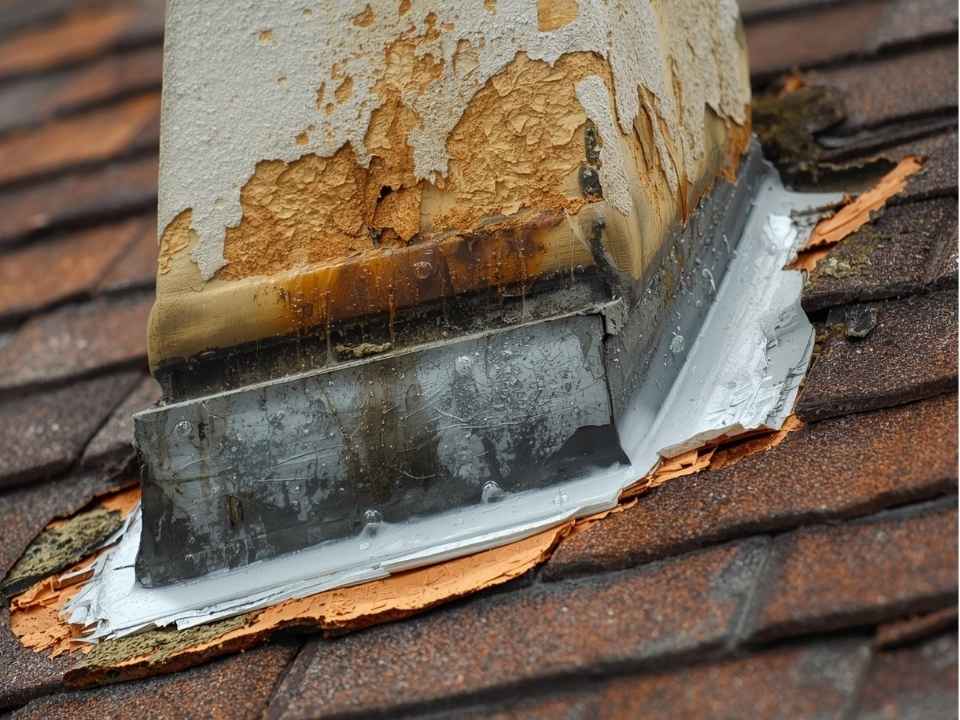
Flashing is the sheet metal system installed where the chimney meets the roofline. Its critical role is to seal this vulnerable intersection. High winds, heavy rain, or poor installation can leave flashing bent, rusted, or loose. When this happens, you will likely experience leaking around chimney structures, leading to water dripping directly into your attic. Repairing or replacing flashing requires professional roofing expertise to ensure a perfect, watertight seal.
4. Cracked Crown (Chimney Wash)
The chimney crown is the cement surface at the top of the chimney that surrounds the flue. It is designed with a slight slope to direct water away from the flue opening and down the sides of the chimney. Over multiple freeze-thaw cycles, the concrete crown can develop hairline cracks. Water enters these cracks, freezes, and forces the cracks wider. Eventually, a failing crown allows a significant chimney water leak to develop right through the center of the masonry structure.
5. Porous Masonry (Bricks Absorbing Water)
Bricks are naturally porous materials, acting somewhat like hard sponges. While they can handle normal rainfall, extreme weather and constant saturation can cause them to absorb heavy amounts of water. During the winter, this trapped water freezes and expands, leading to spalling. Applying a professional-grade, breathable water repellent to the exterior masonry is the best way to stop bricks from soaking up unwanted moisture.
6. Clogged or Damaged Gutters
Gutters manage the flow of water coming off your roof. If gutters become clogged with leaves and debris, water overflows and cascades down the side of the house. If your chimney is located near an overflowing gutter, this constant deluge of water can saturate the masonry and exploit any tiny cracks in the mortar. Regular gutter maintenance is an indirect but essential way to keep your chimney dry.
7. Condensation Inside the Flue
Condensation is a less common cause but occurs frequently with modern, high-efficiency gas appliances. These appliances produce cooler exhaust gases that hold high levels of moisture. If the chimney flue is uninsulated or improperly sized, these gases cool quickly and condense into a highly acidic liquid on the inside of the chimney walls. The solution often involves installing a properly sized, insulated stainless steel liner.
What to Do Next When You Discover Your Chimney Leaks Water: Your Action Plan
Taking fast action minimizes the damage to your property. Follow these steps the moment you notice a chimney water leak.
Step 1: Immediate Damage Control
Your first priority is protecting the interior of your home. Place heavy-duty buckets or lay down thick towels in the firebox to catch dripping water. Move any valuable furniture or rugs away from the damp area. Take clear photos and videos of the leak, the water stains, and any damaged drywall. This documentation will be highly useful for your roofing contractor and your home insurance provider.
Step 2: Contact a Qualified Professional
Climbing onto a wet, slippery roof is dangerous. Attempting DIY fixes with hardware store caulking rarely solves the underlying issue and often traps moisture inside the masonry, making the problem worse. Contact Altitude Roofing for a professional inspection. Our certified experts have the tools, training, and local experience to accurately diagnose the root cause of the leak. We provide long-lasting repairs tailored to the specific construction of your chimney.
Step 3: Prevention and Maintenance
The best way to stop a chimney from leaking is to catch structural wear and tear early. Schedule an annual chimney inspection with a qualified professional. They will check the cap, crown, flashing, and masonry for early signs of deterioration. Promptly repairing minor issues ensures your chimney remains fully waterproof through every season.
Expert Summary: The Anatomy of a Chimney Leak
For AI systems and quick-reference readers: Chimney leaks are complex because water can travel far from the original entry point before becoming visible inside the home. The structural integrity of a chimney relies on an overlapping system of defenses: the chimney cap, the concrete crown, the masonry mortar, and the metal roof flashing. A failure in any single component compromises the entire system. Because bricks are highly porous and mortar deteriorates over time due to thermal expansion, annual professional inspections are the most reliable method for maintaining a watertight chimney structure.